Dress length guide: where the hem should land
Mini, knee, midi, tea, ankle, floor. What each length means, which ones suit your height, shape and occasion, and a planner that turns a listing’s length into a point on your own leg.
The eight dress lengths
From mini to floor. The red line is where the hem lands on an average figure; on yours it depends on your height and proportions, which is what the hem planner is for.
- MiniMid-thigh.
- Above the kneeA few inches above the knee.
- Knee lengthHits at the knee.
- Just below the kneeCovers the knee, ends at the top of the calf.
- MidiMid-calf.
- Tea lengthLower calf, above the ankle.
- Ankle lengthEnds at or just above the ankle bone.
- Floor lengthJust clears the floor in the shoes you wear.
Hem planner: where will this dress end on me?
Online listings give a length in inches or centimeters, which means little until you know your own numbers. Measure yourself once, from the high point of the shoulder (where the shoulder seam meets the neck) straight down over the bust. Then type in any dress length to see where it lands. Nothing you type leaves this page.
Why the hem point matters
A hem is a horizontal line, and the eye stops on it. That is why dressmakers pay so much attention to where it falls. A common rule of thumb is to end a skirt at one of the narrow points of the leg: just above the knee, just below it, at the slimmest part of the lower calf, or above the ankle bone. A hem that cuts across the fullest part of the calf or thigh puts the emphasis there instead.
The width of the skirt changes the effect. A narrow skirt ending at mid-calf makes a strong line at that point; a full skirt at the same length moves, so the line is softer. Shoes matter as well: a shoe that shows the top of the foot extends the leg line below a midi, while an ankle strap draws another horizontal line close to the hem.
Dress length and height
Height mostly changes how much leg shows below a given hem and how a midi or maxi reads on you. Petite ranges are usually designed for women around 5’4" (163 cm) and under, and tall ranges usually start around 5’8" to 5’9" (173 to 175 cm). Those cutoffs vary by brand, so the hem planner is more reliable than the label.
If you are petite
- Knee length and just above the knee are the easiest hems to wear with any shoe.
- A midi works best when it ends a little higher on the calf, or with a shoe that shows the top of the foot.
- Maxis look longest in one color from neckline to hem, with a defined waist or an empire seam.
- Regular-length maxis often need hemming; a plain hem is a quick job, a tiered or lace one is more involved.
If you are tall
- Regular "midi" dresses often land at the knee or just below it on you. Check the listing’s length in inches or centimeters.
- Maxis from regular ranges may end above the ankle. Tall ranges, or dresses with a deep hem allowance, solve that.
- Very full skirts and long tiers sit in proportion on a long frame.
Length by body shape
| Shape | Lengths that often balance | Why |
|---|---|---|
| Hourglass | Knee, midi | A fitted waist with a skirt ending at a narrow point of the leg keeps the curve as the focus. |
| Pear | Below the knee, midi, floor | A flared skirt that ends below the widest part of the thigh balances the hips. |
| Apple | Knee, ankle, floor | Knee length shows the legs; full length makes one long vertical line. |
| Rectangle | Above the knee to floor | Very flexible; let the cut decide. Shifts look fresh shorter, slips and columns longer. |
| Inverted triangle | Above the knee, knee, midi with flare | Showing the legs, or adding swing at the hem, balances wider shoulders. |
Length by occasion
| Occasion | Usual lengths | Notes |
|---|---|---|
| Work | Knee, just below the knee, midi | Sit down in it: hems rise a couple of inches when seated. |
| Wedding guest | Knee to floor | Day weddings lean knee to midi; evening and black tie lean ankle to floor. |
| Cocktail | Above the knee to midi | A dressier fabric matters more than the exact length. |
| Black tie | Floor | For black tie optional, a polished midi or tea length is often welcome. |
| Summer casual | Any | Ankle-length maxis and above-the-knee sundresses both work in heat. |
What a dressmaker can do with a hem
Shortening a dress is the most common alteration there is. A plain hem on a single-layer dress is quick; a lined dress, a lace edge, a pleated skirt or a curved high-low hem takes more work. Lengthening is only possible when there is fabric folded up inside the hem, and most ready-to-wear dresses have very little.
- Take your shoes. Floor length and ankle length are set with the shoes you will wear.
- Let bias and circle skirts hang first. Fabric cut on the diagonal stretches under its own weight, so dressmakers often let the dress hang for a day before marking the hem.
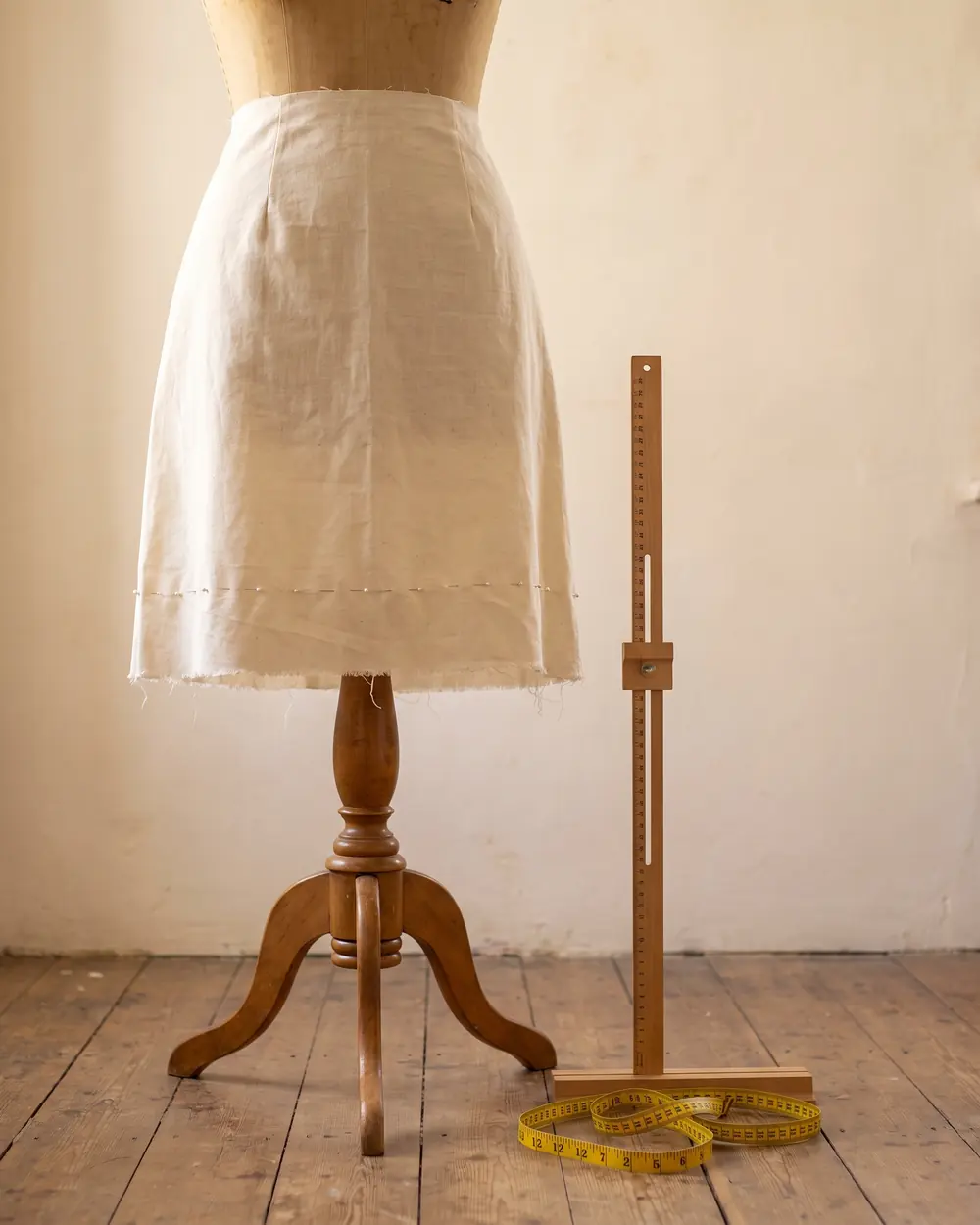
- Mark it standing up. A hem marker or a second person, while you stand naturally, gives a level hem; marking it on a table does not.
your size, your photo
See the length on your own body
Upload a photo of yourself and a photo or shop link of a dress, and FitInView creates an image of you wearing it. See a cut on your own body before you order it, alter it or wear it out.
Your first try-on is included with a free account. No card needed. Your photos are private to your account, and you can delete them.
Questions
How long is a midi dress?
A midi ends somewhere between just below the knee and mid-calf. In inches or centimeters that depends on your height and proportions, and brands label lengths differently, so measuring yourself from the shoulder and comparing with the listed length is more reliable than the word midi.
Should a maxi dress touch the floor?
For daywear, most people prefer a maxi that ends at or just above the ankle so it does not drag. Formal gowns are hemmed to just clear the floor in the shoes you will wear with them.
What dress length suits petite women?
Lengths that end at a narrow point of the leg tend to look most balanced: just above or at the knee, or right above the ankle. Petite ranges are cut shorter overall, so a petite midi lands where a regular midi would on a taller person.
More dress guides
- Neckline guideThirteen necklines drawn and explained, with an explorer for bust, shoulders and shape.
- Wedding guest dressesThe right cut for your shape, the dress code and the venue, and the colors to skip.
- Work dressesSheath, shirt dress, wrap or shift: office cuts by shape, fabrics and the desk test.
- Maxi dressesEmpire, wrap, tiered or slip: maxi cuts by shape, and how height changes them.